Queenstown in the off-season: what May and November are actually like
The two weeks nobody plans around
I didn’t choose May and November on purpose the first time. A work trip landed me in Queenstown in late May with nothing booked, expecting a ghost town. It wasn’t one. Fergburger still had a queue, just a shorter one. The lake was doing its usual thing. What was missing was everyone else.
Queenstown’s calendar has one long peak — December to March for summer, June to early October for skiing — and two proper gaps either side of it. May sits between the last of the autumn colour and the start of the ski season. November sits between the ski season closing and summer properly starting. Neither is a secret, but neither gets marketed the way summer or winter does, and that’s exactly why I keep going back.
What actually closes
Not much, and that surprised me the first time too. The core of Queenstown — the gondola up to Bob’s Peak, jet boating on the Shotover and Kawarau, most restaurants, the TSS Earnslaw — runs all year. What changes is frequency and choice rather than availability.
Milford Sound cruises keep running through both months, but with fewer sailings a day than summer, and cancellations for weather are more common — the tunnel and the road itself don’t care what month it is. Some smaller seasonal cafés and a handful of activity operators geared entirely around summer crowds do pause between seasons, usually with little notice on their own websites, so it’s worth checking a day or two ahead rather than assuming.
The ski fields are the clean exception. Coronet Peak and The Remarkables don’t open until June at the earliest and are long closed by the following October, so neither May nor November gives you lift-served skiing at all — see the full rundown in the ski season guide if that’s what you’re chasing instead.
Prices, without the guessing
I’ve now stayed in the same lakefront apartment in January and in May, six months apart. January was NZ$310 a night. May was NZ$175. That’s not a one-off; it’s roughly what the shoulder season does across the board here, and it’s the practical reason I plan around these two windows now.
| Month | Typical hotel/night (NZD) | Crowd level | Milford Sound cruises/day |
|---|---|---|---|
| January (summer peak) | 280–380 | Very high | Multiple, full |
| May | 140–190 | Low | Reduced |
| July (ski peak) | 220–320 | High (skiers) | Reduced, weather-dependent |
| November | 160–210 | Low–moderate | Reduced, building toward summer |
Tours follow the same pattern without a formal “off-season discount” — it’s simply easier to get a seat without booking weeks out, and operators aren’t adding the premium that comes with scarcity. I’ve turned up same-day for a jet boat trip in November that would have needed booking a week ahead in January.
The light and the cold, honestly
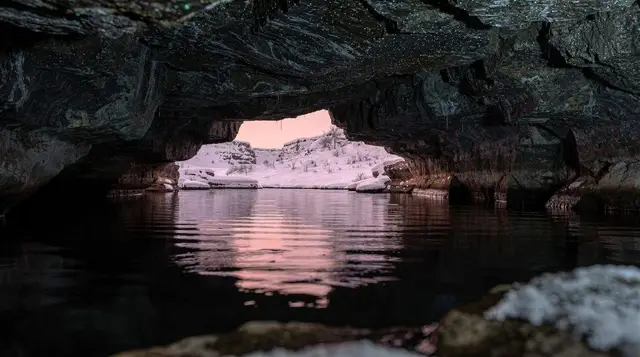
May’s daylight is short — closer to nine hours by the end of the month — and the mornings are properly cold, with fog sitting on the lake until mid-morning some days. It’s atmospheric if you like that; it’s also genuinely cold, so this isn’t a soft-shell-jacket month. What you get in exchange is stillness: Lake Wakatipu with nobody on it, the Remarkables with fresh snow starting to dust the tops, and a quiet main street in the evening that summer never has.
November runs the other way. Daylight is stretching out fast toward the solstice, and on a good day it can feel like summer arrived early. The catch is that “good day” isn’t guaranteed — spring weather here swings hard, and I’ve had a 22°C afternoon followed by a cold front and rain the next morning. Pack for both. If you want the specifics month by month rather than my summary of them, the weather month-by-month guide has the real numbers.
Neither month is winter proper and neither is summer — that’s the whole point of a shoulder season, and it’s worth reading both of those before you assume either applies.
What I still do in the shoulder months
Adrenaline activities don’t take a season off, which is part of why I like timing a trip here. I’ve done the world’s first commercial bungy jump at the Kawarau Bridge in May with nobody waiting behind me, which changes the whole experience compared with a January queue. Canyoning is weather-dependent rather than season-dependent, and the full-day canyoning trip into the Routeburn Valley ran fine on a clear November day when I did it, though I’d have moved it earlier in the trip if I’d had a buffer for a wash-out.
Milford Sound is the one I’d build real slack around. I’ve taken the small-group day trip down to Milford Sound in both months and had it go two very different ways — flat, glassy water in May, and a driving rain day in November that turned out to be the better trip, with waterfalls running everywhere they don’t in dry weather. If you’re short on days and don’t want the road at all, the fly-cruise-fly option is worth knowing about for exactly the kind of unsettled spring weather November throws at you.
Wine is genuinely better outside summer’s rush. Gibbston Valley and the wider Central Otago pinot noir region are far more pleasant to visit without a coach party ahead of you at the cellar door, and staff have time to actually talk about the wine rather than pour and move you on.
What doesn’t work in May or November
I won’t pretend everything lines up. Arrowtown in autumn colour is a genuine reason to visit, and by May the leaves are mostly down — that peak is April, not May, so don’t come expecting it. The Mackenzie Basin’s lupins, which people often lump in with a general “spring in the south” idea, flower in late November near Lake Tekapo, well outside Queenstown, and they’re an invasive species, not a native highlight — worth knowing before you build a trip around them.
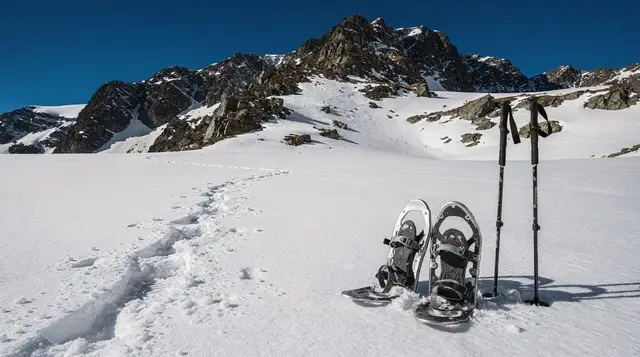
And if you want snow sports, neither month works at all. The ski fields are shut solid in both, and no amount of shoulder-season enthusiasm changes that.
Who this is actually for
If you hate queuing for Fergburger, don’t need snow, and don’t mind packing for four seasons in one bag, May and November are the two months I’d point a first-time visitor toward before I’d point them at January. Everything in the first-time guide still applies — book Milford Sound and any bungy jump early in your trip so weather has somewhere to go if it cancels, and treat the budget guide numbers as more achievable here than at any other time of year. Check where to stay with the shoulder-season rates in mind — you’ll get more for the same money than the listed summer prices suggest.
It’s not a secret month. It’s just the one everyone else skips.
Seasonal experiences on GetYourGuide
Verified deep-linked GetYourGuide tours. Book through these links and we earn a small commission at no cost to you.
GetYourGuide does not provide a product photo for this activity — the image shows the meeting point, photographed by us.