A first-timer's guide to Queenstown
What should a first-time visitor to Queenstown know before arriving?
Queenstown's centre is walkable in ten minutes, but almost everything you came for — Milford Sound, the ski fields, Glenorchy, the wine valleys — is 25 minutes to 4 hours away by road. Book your weather-dependent activities (bungy, scenic flights, Milford cruises) early in your stay, not on the same day, and budget more than you think: this is the most expensive town in New Zealand.
What Queenstown actually is, before you plan around it
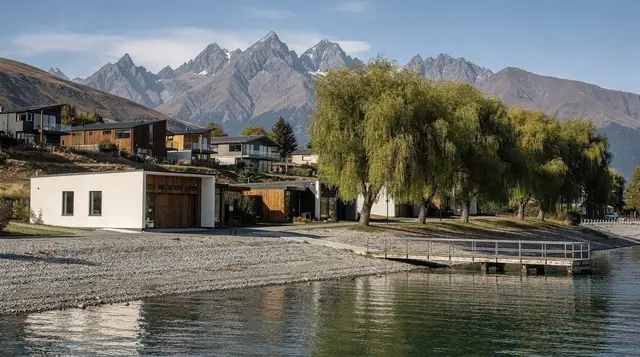
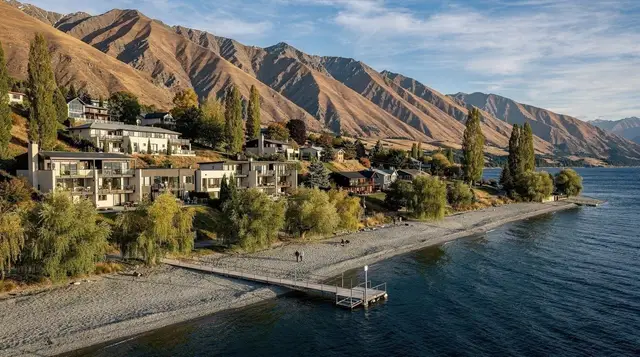
Queenstown is a town of around 48,000 people wrapped around the edge of Lake Wakatipu, in Otago on New Zealand’s South Island. The Māori name for the place is Tāhuna. It looks small on arrival, and the centre is: you can walk from the lakefront to the top of the main shopping streets in ten minutes flat. What isn’t small is the surrounding landscape, and that’s the first thing that trips up first-time visitors — Queenstown is a base, not a self-contained destination. Milford Sound, the wine valleys, the ski fields and Glenorchy are all somewhere else, reached by a road trip, a shuttle or a tour, not a stroll.
That distinction matters for how you plan. This page is deliberately an orientation guide, not a full itinerary. For day-by-day planning, see how many days in Queenstown and the 3-day itinerary. What follows is what to know before you land: how to get in, how to find your feet in town, what the first day usually looks like, the mistakes that cost people time and money, and what to actually budget.
Getting from the airport into town
Queenstown Airport (ZQN) sits at Frankton, about 8 kilometres from the centre. It’s a small airport by international standards, and the approach through the surrounding mountains is genuinely more technical than most regional airports — pilots need specific training for it. The airport also runs a curfew, and in bad weather flights are occasionally diverted to Invercargill or Christchurch. None of this should stop you flying in, but it’s worth not booking a tight connection, a same-day tour, or an evening flight out on your last day without a buffer.
From the terminal, the Orbus route 1 runs into the centre, shared shuttles meet most flights, and taxis are readily available. If you’re renting a car, most desks are at the airport itself. For the details on all of this, see airport transfers and, if you’re driving yourself around the wider region, car rental in Queenstown and driving in New Zealand’s South Island.
Finding your feet in the centre
The town itself is easy to read once you’re standing in it. The lakefront and the Queenstown Gardens form one edge; Fergburger and the surrounding restaurant streets sit a block or two back; the Skyline Gondola climbs steeply behind the town to Bob’s Peak, at a 37.1-degree gradient — the steepest cable car in the Southern Hemisphere. The TSS Earnslaw, a coal-fired steamship, sits at the town pier and still runs across the lake to Walter Peak. Across the water, the jagged line of the Remarkables faces the town — one of only two mountain ranges in New Zealand that run north to south.
There’s genuinely very little to navigate. Most visitors find they don’t need a map after the first afternoon. What takes longer to calibrate is scale outside the centre: Arrowtown is 20 minutes away, Glenorchy 45, Wanaka an hour, Milford Sound four hours. None of that is walkable, and most of it isn’t served by regular public transport either.
What a realistic first day looks like
Most first-time visitors land, check in, and don’t have much appetite for a big commitment on day one — which works out well, because day one is the right time for low-key orientation rather than a booked activity with a fixed departure time. A typical first day: walk the lakefront and the Queenstown Gardens, ride the gondola up to Bob’s Peak for the view over the lake and the Remarkables, eat somewhere in town (queue for Fergburger if you want the full experience, or skip it — the queue is real and not for everyone), and get a feel for where things are before committing to anything that requires being somewhere at a set time.
A guided orientation on day one or two also works well precisely because it removes the need to self-navigate before you’ve got your bearings. A guided segway tour around the town and lakefront covers the central sights without the logistics of figuring out routes yourself, and if you’d rather see the town after dark, a private night tour with hotel pickup is a low-effort way to see Queenstown lit up over the lake without driving.
By day two or three, once you’re oriented, a full day trip out of town makes more sense. The classic first-timer’s day out combines several of the nearby highlights in one guided run: a day tour taking in Glenorchy, Arrowtown and the Crown Range covers three of the region’s best-known spots without you needing to plan the driving or the stops yourself, which is a reasonable way to see a lot of the surrounding scenery before deciding what to come back and do properly.
The mistakes that actually cost people time and money
Underestimating drive times. Queenstown’s surrounding roads are scenic and often winding, and mapping apps routinely underestimate how long they take — add 20 to 30% to what your phone tells you, more if you’re stopping for photos. A Milford Sound day trip by car is around 4 hours each way; by coach tour it’s 12 to 13 hours door to door. Glenorchy is 45 minutes on a good day. None of this is a problem if you know it going in; it becomes a problem when someone plans a 9am bungy jump, a midday Milford flight and dinner reservations in Arrowtown all in the same day.
Booking everything for the first available day. Weather-dependent activities — scenic flights, Milford cruises, skydiving, some of the bungy sites, heli-hikes to the glaciers further afield — get cancelled or rescheduled often enough that it’s a real planning factor, not a remote possibility. Put your highest-priority weather-dependent activity early in your stay rather than on your last full day, so there’s room to move it if it gets cancelled. See travel insurance for adventure activities before you book anything in this category — many standard travel policies exclude bungy jumping, skydiving and similar activities specifically.
Ignoring the weather pattern generally. Even without booking anything weather-dependent, dressing for the day you’re planning matters more here than in most cities. Queenstown’s weather changes quickly, temperatures swing a lot between morning and evening, and UV levels are among the highest in the world even on a mild-looking day. Check the forecast the night before rather than assuming the weather will hold.
Trying to do too much on day one. Jet lag, a long flight, or simply the adjustment to a new time zone all argue for a slow first day. Save the big-ticket adrenaline activity — bungy jumping, the Shotover Jet, a Milford Sound day trip — for day two or later, once you’ve had a proper night’s sleep and know your way around town.
What to budget
Queenstown is New Zealand’s most expensive destination, and prices rise further in the December to February summer peak and the July ski season. These are rough per-person ranges in New Zealand dollars, not fixed prices:
| Category | Typical range (NZ$) | Notes |
|---|---|---|
| Casual meal in town | 20–35 | Fergburger and similar; sit-down restaurants run higher |
| Restaurant dinner | 45–90 | Excludes wine; lakefront views cost more |
| Gondola return | 45–65 | Higher with the luge included |
| One adrenaline activity | 150–300 | Bungy, skydiving and canyon swing sit at the top of this range |
| Guided day tour | 100–250 | Varies widely by inclusions and group size |
| Milford Sound day trip (coach + cruise) | 220–350 | Flights instead of coach cost considerably more |
| Budget accommodation, per night | 40–90 | Hostel dorm to basic private room |
| Mid-range accommodation, per night | 200–400 | Central hotel or good motel |
None of these numbers include the New Zealand International Visitor Conservation and Tourism Levy or your NZeTA fee, which most visa-exempt travellers need to pay before arrival — see NZeTA and entry requirements. For a fuller breakdown by day, what a day in Queenstown really costs and why Queenstown is so expensive go into more detail than fits here. For accommodation strategy specifically, see where to stay in Queenstown, and for stretching a trip further, Queenstown on a budget.
Local habits worth knowing
Tipping isn’t customary in New Zealand — it isn’t expected in restaurants, cafés or for tour guides, and rounding up isn’t necessary either. Biosecurity control at the airport is strict and not a formality: declare food, plant material and muddy hiking boots on arrival, since undeclared items can carry an on-the-spot fine.
If you’re heading into the surrounding hills or onto any of the Great Walks, the kea — the world’s only alpine parrot, and endangered — will investigate anything left unattended, including car seals and boot laces. Don’t feed it; it’s smart enough to make a habit of humans who do. Further into Fiordland and the West Coast you’ll meet sandflies (te namu), which bite in earnest — pack repellent and cover up rather than relying on New Zealand’s clean-air reputation to protect you.
Rental car contracts here commonly exclude specific roads outright, most notably Skippers Canyon and the route to Macetown — check your agreement rather than assuming a 4WD sticker covers everything.
Where to go deeper from here
This page is an orientation, deliberately. Once you’ve got the shape of a trip in mind, the specialised guides go into far more depth than this page could:
- For overall trip length and pacing, how many days in Queenstown and the things to do hub for the full activity list by category.
- For the single most-asked-about day trip, Milford Sound day trip from Queenstown and Milford Sound cruises compared.
- For the adrenaline activities the town is best known for, bungy jumping in Queenstown and jet boat operators compared.
- For booking logistics generally, booking tours in Queenstown: what actually matters.
- For seasonal planning, best time to visit Queenstown, since summer, winter and the shoulder seasons play out very differently here.
And if wine or a slower pace appeals more than adrenaline on your first visit, a guided gin, wine and beer tour with a local guide or a guided scenic e-bike tour through the surrounding trails are both easy ways to see the region beyond the town centre without driving yourself or committing to a full adrenaline itinerary.
Frequently asked questions about visiting Queenstown for the first time
How many days do I need in Queenstown?
Three full days covers the town, one adrenaline activity and one day trip. Four to five lets you add Milford Sound or Wanaka without rushing. See our detailed breakdown for exact day-by-day plans.
Do I need a car in Queenstown?
Not for the town centre, which is walkable. You do need a car, a tour, or a shuttle for Glenorchy, Milford Sound, the wine valleys and the ski fields, since public transport doesn’t reach most of them.
What’s the biggest mistake first-time visitors make?
Underestimating drive times and booking everything for the same day. A Milford Sound day trip alone is 12 to 13 hours door to door, and weather cancels flights, cruises and bungy jumps often enough that a single-day itinerary has no room for a reschedule.
How much should I budget per day in Queenstown?
Plan on roughly NZ$150 to NZ$250 a day per person for food, a mid-range activity and local transport, before accommodation. Queenstown is New Zealand’s most expensive destination in peak season, and prices climb further in December to February and July.
Is Queenstown Airport hard to fly into?
The approach through surrounding mountains is genuinely more demanding than most regional airports, and the airport operates a curfew. Bad weather occasionally diverts flights to Christchurch or Invercargill, so avoid booking a tight onward connection on your arrival day.
What should I book before I arrive versus after?
Book Milford Sound cruises, bungy or skydiving, and anything in peak season (December to February, July) ahead of time, since popular slots sell out. Restaurants, shorter walks and town activities like the gondola can usually wait until you’re there.
Is Queenstown just for adrenaline sports?
No — it’s the base for adrenaline activities, but also for the Central Otago wine region, the Fiordland fjords, several Great Walks and day trips to Wanaka and Mount Cook. Plenty of visitors do none of the big jumps and still fill a week.
tours.city-sightseeing
Verified deep-linked GetYourGuide tours. Book through these links and we earn a small commission at no cost to you.
GetYourGuide does not provide a product photo for this activity — the image shows the meeting point, photographed by us.