Paragliding and hang gliding in Queenstown
How long does a tandem paragliding or hang gliding flight in Queenstown actually last?
A tandem paragliding flight off Bob's Peak is typically 10 to 15 minutes in the air, and can be shorter on a quiet-wind day. Tandem hang gliding runs a similar window, sometimes a little longer if the pilot finds a thermal. The gondola ride, briefing and queueing usually take longer than the flight itself.
Two ways to fly off Bob’s Peak
Queenstown sells paragliding and hang gliding as one more item on the adrenaline list, next to bungy and jet-boating, but they’re a different kind of activity. There’s no free fall, no big drop, and no scream-inducing moment. What you get instead is several minutes of quiet, wide-open flight over Lake Wakatipu, with the town, the Remarkables and the Skyline Gondola station laid out below. It’s closer to sightseeing than to thrill-seeking, and it’s worth knowing that going in, because a chunk of people book it expecting the wrong sensation.
The two activities get bundled together on booking pages, but they’re flown on different wings, launched slightly differently, and feel different in the air. Both are tandem: a licensed commercial pilot does the actual flying and steering, and you’re strapped in alongside or in front of them. Neither requires experience, a fitness test or a trial run. What they do require is wind cooperating, which is the part almost nobody plans around properly.
Paragliding: the fabric wing, the common option
Tandem paragliding in Queenstown launches from the top of the Skyline Gondola on Bob’s Peak, at roughly 790 metres above the town. The wing is a fabric canopy, laid out on the launch field and inflated by the wind before you and the pilot run a short distance downhill together. Once the wing catches air, the running stops and the flying starts — there’s no jump, no edge, no moment of stepping off anything. It’s a gradual lift-off rather than a drop.
Once airborne, the pilot works the wind coming up the face of the hill and any thermals rising off the sun-warmed slopes to gain height and stay up. On a good day that can mean genuinely extending the flight; on a still day, the pilot heads more directly to landing. That’s the honest part operators tend to gloss over: a tandem paragliding flight in Queenstown typically runs 10 to 15 minutes in the air.
It can be shorter. It is not a half-hour scenic flight, and it’s nowhere near the length of a scenic flight by plane or helicopter over the same terrain. The gondola ride up, the safety briefing, getting harnessed and queueing for your turn will likely take longer than the flight itself — budget close to two hours door to door, of which flying is a fraction.
Landing is on a paddock near the bottom of the hill, close to town, so you’re not carried back up — you walk out and rejoin the flat.
Hang gliding: the rigid wing, the faster feel
Tandem hang gliding is less commonly booked but flown from broadly the same area. The wing is rigid and kite-shaped rather than fabric, and you’re harnessed prone or semi-reclined underneath it, gripping a control bar, rather than sitting upright in a paraglider harness. Launch is a short run and a jump off the slope rather than paragliding’s gradual lift, which is the main reason it feels more like flying and less like floating — pilots and repeat flyers who’ve tried both usually describe hang gliding as faster and more direct, paragliding as calmer and more of a hover.
Flight time is in a similar bracket to paragliding, sometimes a little longer if the pilot finds usable lift, but the same rule applies: don’t book it expecting a long flight. The appeal of hang gliding here isn’t duration, it’s the different feel of the wing and, for some flyers, the view being slightly less obstructed since you’re not sitting inside a harness frame.
Availability for hang gliding is more limited than paragliding — fewer operators run it, and it’s worth confirming it’s actually on offer for your dates before building a day around it, rather than assuming it’s a straightforward swap.
Bob’s Peak versus Coronet Peak
Most tandem paragliding in Queenstown launches from Bob’s Peak, because the Skyline Gondola solves an otherwise awkward problem: getting two people and a wing to a proper launch height without a long, gear-laden hike. That’s the real reason the gondola station doubles as a launch site — it isn’t a marketing pairing, it’s the only practical way to get airborne quickly from the middle of town.
Some operators also fly from Coronet Peak, reached by road rather than gondola, and tend to use it when the wind direction suits that hillside better than Bob’s Peak on a given day. If you’ve booked with an operator that flies both sites, don’t be surprised if your launch location is confirmed or changed the morning of your flight based on the wind, not on preference.
| Paragliding | Hang gliding | |
|---|---|---|
| Usual launch | Bob’s Peak (via Skyline Gondola) | Bob’s Peak, sometimes Coronet Peak |
| Wing type | Fabric canopy | Rigid, kite-shaped |
| Launch style | Gradual run into lift-off | Short run and jump |
| Typical flight time | 10–15 minutes airborne | 10–15+ minutes airborne |
| Feel | Calm, floating | Faster, more direct |
| Typical price (NZD) | Roughly NZ$250–NZ$330 | Roughly NZ$280–NZ$360 |
| Availability | Widely offered | Fewer operators |
Prices move with season and operator, and photo or video packages are usually charged as an add-on — treat the ranges above as a starting point for budgeting, not a quote.
Why the flight is shorter than people expect
This is the part worth repeating: 10 to 15 minutes of actual flying is normal, not a shortchange. Operators are selling an experience built around launch, flight and landing, and the flight segment is genuinely brief compared with, say, a full afternoon on the Shotover Canyon Swing or a day on the water. If the length matters to you, ask the operator directly what their typical flight time has been running that week — pilots know, and most will tell you straight rather than let you assume a longer flight than they can promise on the day’s wind.
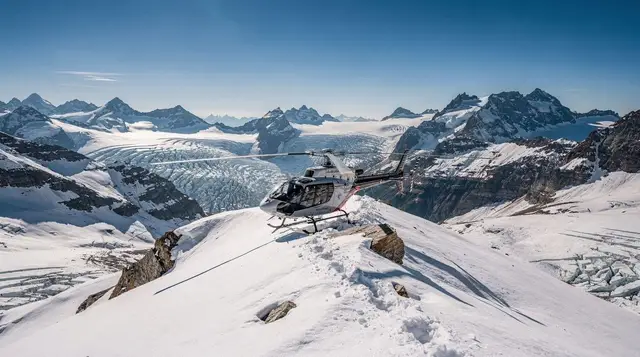
If what you actually want is more time in the air over this landscape, a scenic helicopter flight or an alpine landing runs considerably longer, at a correspondingly higher price, and gives you a different kind of view — height and distance rather than the closer, wind-in-your-face sensation of paragliding.
Weather: the thing that actually determines your day
Wind speed, wind direction and cloud over Bob’s Peak decide whether flights go ahead, and Queenstown’s weather can shift within an hour, especially with the Remarkables and the lake basin creating their own local conditions. Cancellations and reschedules are common enough that operators build the possibility into their booking terms as a matter of course, not an exception.
Practical consequences:
- Book early in your stay, not on your last full day. A weather cancellation with a day or two of buffer left is an inconvenience; the same cancellation on your final afternoon before an evening flight home is a missed activity, no refund negotiation fixes that.
- Expect a reschedule offer rather than a straight refund if wind or rain grounds the flight — most operators hold your booking and try again rather than cancel outright, so keep some flexibility in your plan.
- Morning flights often have calmer wind than afternoon, when thermals and valley wind tend to build, though this varies day to day and operators make the call, not you.
- Check when to visit Queenstown generally — summer gives you the longest daylight window to fit a rescheduled flight in, while winter adds the complication of cold and shorter days on top of the usual wind variability.
Booking, fitness and what to wear
Both activities are tandem, so no prior flying experience is required, and no particular fitness level either — you’re not required to run far or hold any position for long. What does matter:
- Weight and age limits are real and vary by operator. Most set a minimum weight somewhere around 35–40 kg and a maximum somewhere in the 100–115 kg range, with a minimum age typically around 10–12 for paragliding tandem flights. Confirm current limits with the specific operator when booking rather than assuming.
- Dress for wind and altitude, not for the town. Bob’s Peak is noticeably cooler and windier than the waterfront, even on a warm day — a light jacket or windbreaker over normal clothes is usually enough, and operators generally provide any additional gear.
- Closed, secure footwear, no loose scarves or anything that can catch on the harness.
- Photos and video are typically a paid add-on, filmed by the pilot with a helmet or handheld camera — decide before you launch whether you want it, since asking mid-flight isn’t really an option.
- Bring sunglasses if flying in summer — the light off the lake at altitude is bright, and you’ll want to actually see the view you paid for.
For general logistics on how tour bookings, confirmations and reschedules tend to work across Queenstown operators, see booking tours in Queenstown.
Insurance and the ACC gap
New Zealand’s Accident Compensation Corporation, ACC, covers the cost of accident-related medical treatment for anyone injured in the country, visitors included — that part is genuinely reassuring and often misunderstood as full cover. It is not full cover. ACC does not pay for cancelled flights home, lost income, ongoing care after you leave New Zealand, or trip disruption of any kind. That gap is exactly what travel insurance is meant to fill, and a meaningful number of standard policies list paragliding and hang gliding under specific exclusions for adventure or extreme sports.
Read the policy wording before you fly, not after. See travel insurance for adventure activities for what to actually check for.
Where this fits against Queenstown’s other adrenaline options
Paragliding and hang gliding sit at the calmer end of Queenstown’s activity list — no free fall, no big drop, mostly a smooth glide with a view. If you want the drop-and-scream version of height, bungy jumping or skydiving are the activities built around exactly that sensation, and both are bookable from the same town centre.
Tandem skydiving over Queenstown gives you real free fall before the canopy opens, over a much longer descent from altitude, and is the activity most people actually mean when they picture Queenstown’s adrenaline reputation. If you’d rather stack a second wing-based flight into the same trip, some operators also run a tandem hang gliding flight as a separate booking from paragliding, worth doing on a different day if the wind allows both.
For a rained-out or grounded day, see Queenstown on a rainy day for what still works when the hill is closed to flying, and photography spots around Queenstown if the view is what you were really after and a scenic walk can substitute. And if snow season has you weighing the gondola against the ski fields instead, note that paragliding generally doesn’t run in strong winter wind or heavy cloud, so treat it as a shoulder-season or summer activity first.
Paragliding and hang gliding in Queenstown: FAQ
How long does a tandem paragliding flight actually last in Queenstown?
Plan on 10 to 15 minutes airborne once you’ve launched. Pilots fly to the wind and the thermals on the day, so a flight can run shorter if conditions are calm, or occasionally longer if there’s good lift. The whole outing, including the gondola up, the briefing and getting kitted up, takes closer to two hours.
What’s the difference between paragliding and hang gliding at Queenstown?
Paragliding uses a fabric wing you sit under in a harness, launched by running a few steps off the hill; it’s the more common option and feels gentler. Hang gliding uses a rigid, kite-shaped wing you’re strapped to prone or semi-reclined, launched by a short run and a jump, and it feels faster and more direct. Both are tandem flights with a licensed commercial pilot doing the flying.
Do I take off from Bob’s Peak or Coronet Peak?
Most tandem paragliding is flown off Bob’s Peak, reached by the Skyline Gondola, because the gondola solves the problem of getting a wing and two people up a steep hill. Coronet Peak is used by some operators as an alternative launch, usually reached by vehicle, and tends to fly when the wind direction favours it over Bob’s Peak.
Why does the flight launch from the gondola station and not just anywhere on the hill?
A paragliding or hang gliding launch needs a clear run, the right slope angle and consistent wind hitting the hill face, not just height. The Skyline Gondola happens to land right next to a launch area that has all three, and it removes the alternative of a long uphill walk carrying gear, which is why Bob’s Peak became the default site rather than a marketing choice.
What weather cancels paragliding and hang gliding flights in Queenstown?
Strong wind, wind from the wrong direction, rain and low cloud over Bob’s Peak all ground flights, and Queenstown’s weather can flip within an hour. Operators reschedule rather than refund in most cases, so cancellations are common enough that a rigid one-day itinerary is the wrong way to plan around this activity.
Is there a weight or age limit for tandem paragliding or hang gliding?
Yes. Operators set minimum and maximum weight limits for safe tandem flight, generally somewhere between about 35 kg and 100–115 kg depending on the operator and the specific wing, and most set a minimum age around 10 to 12 for paragliding. Always check the current limits with the operator before booking, since they vary and change.
Does travel insurance cover paragliding and hang gliding in Queenstown?
Not always. New Zealand’s ACC scheme covers accident-related medical treatment for everyone in the country, visitors included, but it doesn’t cover cancellation, lost income or getting you home. Many standard travel insurance policies specifically exclude paragliding and hang gliding as adventure sports, so check the policy wording rather than assuming.
Bungy, swings & skydives on GetYourGuide
Verified deep-linked GetYourGuide tours. Book through these links and we earn a small commission at no cost to you.
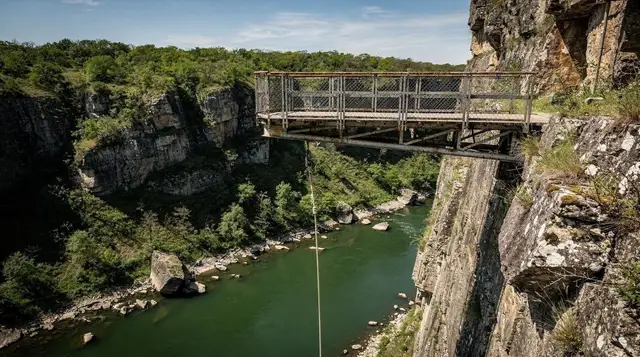
GetYourGuide does not provide a product photo for this activity — the image shows the meeting point, photographed by us.