Tandem skydiving in Queenstown: altitudes, freefall times and weather
What altitude should I choose for tandem skydiving in Queenstown?
Operators over the Wakatipu Basin offer jumps from 9,000ft, 12,000ft and 15,000ft, with freefall running from around 40 seconds up to roughly 85 seconds depending on the option. Book the jump early in your trip rather than on your last day, because low cloud and wind cancel a meaningful share of flights.
Jumping out of a plane over the Wakatipu Basin
Tandem skydiving is the other big-ticket item on Queenstown’s adrenaline list, alongside bungy jumping and the canyon swing. The pitch is straightforward: a small aircraft climbs out of the Wakatipu Basin, you’re strapped to an instructor, and you exit at altitude with The Remarkables and Coronet Peak laid out below. What differs between operators and between price points is the altitude you jump from, and that single choice changes the freefall time, the length of the flight up, and the price more than anything else on the booking form.
This guide sets out the altitude options in plain terms, what the freefall actually feels like at each one, the weight and age limits operators apply, the video and photo add-ons worth knowing about before you book, and the one piece of advice that matters more than any of it: book this early in your trip, not on your last free day.
The three altitude options
Operators over Queenstown typically sell three altitude bands. The names and exact numbers vary slightly by company, but the shape of the offer is consistent.
| Altitude | Approximate freefall | What you’re paying for |
|---|---|---|
| 9,000ft | Around 40 seconds | The shortest flight up, the shortest freefall, the entry price point |
| 12,000ft | Around 60 seconds | A noticeably longer freefall and a longer scenic climb before exit |
| 15,000ft | Up to around 85 seconds | The longest freefall and flight time, the highest price |
A few things are worth knowing before you pick one. First, the difference in freefall time between 9,000ft and 15,000ft is real but the difference in what you can process while it’s happening is smaller than it sounds — at terminal velocity, an extra 30 or 40 seconds is still over before most people have worked out what’s happening.
Second, the exit itself and the first few seconds are essentially identical at any altitude; what changes is how long the freefall stretches out afterward. Third, the parachute descent after the freefall — the slower, quieter part where you can actually look around at Lake Wakatipu and the surrounding ranges — takes several minutes regardless of which altitude you chose, and for a lot of people it’s the part they remember better than the freefall.
If budget is the deciding factor, 9,000ft is a genuine option, not a downgrade — you still get the same exit, the same aircraft, the same views on the way down. If freefall time itself is the priority, 15,000ft is the one to book.
What the freefall actually feels like
The exit is the abrupt part: door open, brief pause, then you’re out and in freefall within a second or two. Terminal velocity for a tandem pair is reached quickly, and from there the freefall is loud — wind noise dominates — and disorienting for the first several seconds before most people settle into it. Instructors typically deploy the parachute at a set altitude above ground rather than after a fixed time, which is why longer freefalls come from higher exit altitudes rather than from any change in how the canopy opens.
Once the canopy is out, the noise stops almost immediately and the ride becomes quiet and much slower. This is the part with an actual view: the Wakatipu Basin spread out below, Queenstown and the lake, and on a clear day the wider run of the Southern Alps. It is also, for a fair number of first-timers, the point at which nerves finally settle enough to look around properly.
Weight limits and who can jump
Most Queenstown operators cap tandem weight at around 99kg for a standard booking, with a higher allowance — commonly in the 108-120kg range — available for an extra fee and only if you flag it at the time of booking, since it usually requires a different harness setup or crew arrangement. Turning up on the day heavier than what you booked can mean being turned away, so it pays to check the current policy directly with the operator rather than assume last year’s figure still applies.
Minimum age is typically 12, sometimes with a parent or guardian’s signed consent required for anyone under 16 or 18 depending on the operator. There is generally no fixed maximum age, but pre-existing heart, back or neck conditions, and pregnancy, are standard exclusions — declare them honestly when booking rather than on the day.
Weather, cancellations, and the mistake to avoid
This is the part of the booking form that matters more than the altitude choice: Queenstown sits in a basin ringed by mountains, and the aircraft needs workable cloud base and manageable wind to fly safely. Low cloud sitting on the surrounding ranges, strong nor’westers, or poor visibility ground flights regularly, and not just in winter — a clear morning can turn unflyable by midday. Operators reschedule rather than issue a straight refund in most cases, moving you to the next available slot, which might be later the same day, the next day, or later in the week depending on how booked out the calendar is.
The mistake worth naming directly: booking the skydive for your last morning in Queenstown, on the assumption that a cleared calendar leaves room to fit it in. If that morning is grounded, there is nowhere left to move it to, and the jump — along with whatever you paid — is simply gone. The fix is to book it in the first half of your stay. If day one gets weathered out, there are still several days of slack left to try again.
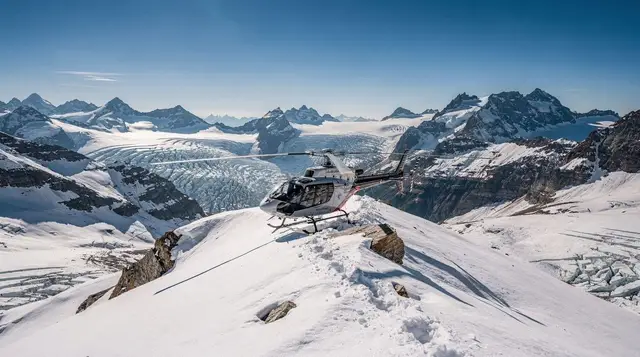
This is the same logic that applies to bungy jumping, scenic flights and heli-hikes over the glaciers: anything flight- or weather-dependent belongs early on a Queenstown adrenaline itinerary, with a buffer day built in, never on the day before you fly home. See booking tours in Queenstown and Queenstown weather month by month for how the odds shift across the year — broadly better in summer, noticeably tighter through winter.
If the forecast for your whole stay looks unpromising, an indoor wind tunnel session is a genuine fallback rather than a consolation prize — it runs regardless of outdoor weather and gives a real sense of freefall body position, just without the aircraft, the exit or the view.
a two-flight indoor skydiving session as a weather-proof alternative or a warm-up before the real jump, or the four-flight version, a longer indoor skydiving package for a group or a repeat go, both run on a schedule that doesn’t depend on cloud base over the basin.
Video and photo options
Nearly every operator sells camera add-ons in tiers, and the value of each depends on what you actually want out of it:
- Helmet camera on the instructor — a point-of-view angle covering the exit and freefall, usually the cheaper camera option.
- Dedicated camera flyer — a second skydiver who exits alongside you and films from outside, giving a wider, more dramatic angle of the whole jump, at a higher price than the helmet-cam option.
- Stills only — a cheaper package if moving footage isn’t the priority.
- Combined photo and video package — usually the most expensive option, and often discounted compared to buying photo and video separately after the fact.
Two practical notes: add-ons are typically cheaper when booked in advance with the jump than when added on the day, and footage is commonly delivered digitally within a day or two rather than handed over on the spot. If you only want proof it happened rather than a produced video, stills-only is the cheaper route to that.
Cost and what’s included
Expect tandem skydiving in Queenstown to run from roughly NZD 300 for the 9,000ft option up toward NZD 500 or more for 15,000ft with a full video and photo package added. That typically covers hotel or town pickup and drop-off, all gear, the briefing, the jump itself, and a certificate; camera packages are the main variable cost on top. It sits in the same price bracket as the Nevis Bungy and above a jet boat ride, which is worth knowing if you’re weighing up a single big-ticket adrenaline activity for the trip against several smaller ones — see how many days in Queenstown for how that trade-off plays out against everything else on offer.
Insurance and the ACC gap
New Zealand’s Accident Compensation Corporation (ACC) covers the cost of accident-related medical treatment for everyone in the country, visitors included, and that applies to skydiving injuries as it does to most others. What ACC does not cover is worth repeating clearly: no rescue or repatriation costs, no trip cancellation, no lost income, and no compensation for the injury itself.
A lot of standard travel insurance policies specifically exclude skydiving, bungy jumping, canyon swinging and similar activities from their base cover, treating them as an “adventure sports” category that needs an explicit add-on. Read the policy wording before you jump, not after — see travel insurance for adventure activities for what to actually check for.
Skydiving alongside the rest of an adrenaline day
Skydiving pairs naturally with other half-day activities on either side of it, since the jump itself, door to door, is typically a two-to-three hour booking including pickup, briefing and the flight. A clear morning slot leaves the rest of the day open — a quad bike tour through the high country around Queenstown in the afternoon, or something calmer to close out the day like a guided stargazing tour under the Wakatipu Basin’s dark skies. If the skydive gets weathered out and you’re left with an open afternoon instead, a Gibbston Valley wine tour is a reasonable way to use the time without needing to reschedule anything else.
For route and destination context beyond the jump itself, bungy jumping in Queenstown and paragliding and hang gliding cover the other big adrenaline options from the same basin, and helicopter tours cover the scenic-flight alternative for anyone who wants the aerial view of the Remarkables and Wakatipu without jumping out of the aircraft.
Tandem skydiving in Queenstown: frequently asked questions
What is the difference between the 9,000ft, 12,000ft and 15,000ft jumps?
It is mostly freefall time and price. The 9,000ft option gives the shortest freefall and is the cheapest; 12,000ft adds noticeably more freefall and a longer scenic flight; 15,000ft is the longest freefall and the longest time in the plane, at the highest price. The view and the exit itself are similar at all three.
How much of the flight is actual freefall?
Freefall is a small part of the whole outing. From 9,000ft expect roughly 40 seconds of freefall; from 12,000ft around 60 seconds; from 15,000ft up to about 85 seconds. The rest of the booking is transfer, gearing up, the flight up under canopy, and the slower parachute descent, which typically runs several minutes.
Is there a weight limit for tandem skydiving in Queenstown?
Yes. Most operators cap solo tandem weight at around 99kg, with a higher limit near 108-120kg available for a surcharge and only with advance notice. Minimum age is usually 12, sometimes with a parental consent form. Always check the current limit with the operator when booking, since it varies by company and by season.
How often do Queenstown skydives get cancelled for weather?
Often enough to plan around. The Wakatipu Basin sits ringed by mountains, and low cloud, high wind or poor visibility ground flights on a regular basis, especially outside the settled stretches of summer. Operators reschedule rather than refund outright in most cases, so a rebooking window matters more than the forecast on the day you book.
When should I book my skydive during a Queenstown trip?
In the first half of your stay, not the last available day. Booking early gives the operator room to move a weathered-out flight to tomorrow, or the day after, without it colliding with your flight home. A skydive booked for the final morning of a trip has no slack left if the wind doesn’t cooperate.
What video and photo options are available?
Most operators offer a tiered add-on: a helmet camera worn by the tandem instructor, a separate camera operator who jumps alongside for a wider angle, or a still-photo-only package. Prices scale with the option, and packages are usually cheaper if added at the time of booking rather than on the day.
Is skydiving covered by travel insurance in New Zealand?
Not automatically. New Zealand’s ACC scheme covers accident-related medical treatment for everyone in the country, visitors included, but it does not cover rescue costs outside its scope, cancellation, lost income or repatriation. Many standard travel insurance policies specifically exclude skydiving, bungy jumping and similar activities unless you buy an adventure sports add-on, so check the policy wording before you jump.
Can I see Milford Sound or the Southern Alps during the jump?
On a clear day the aircraft climbs over the Wakatipu Basin with views toward the Remarkables, Lake Wakatipu and the wider Southern Alps, but Milford Sound itself is well outside the flight path from Queenstown. Treat any far-off scenery as a bonus of a clear day rather than something the operator can promise.
Bungy, swings & skydives on GetYourGuide
Verified deep-linked GetYourGuide tours. Book through these links and we earn a small commission at no cost to you.
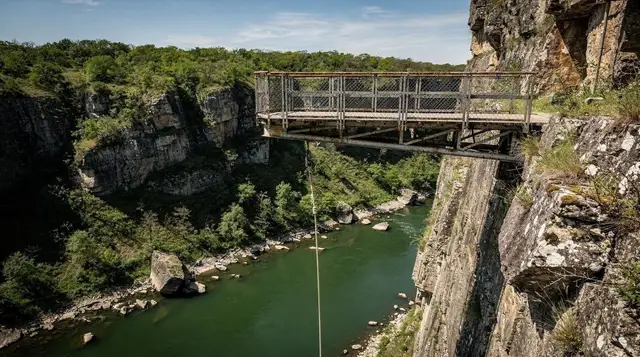
GetYourGuide does not provide a product photo for this activity — the image shows the meeting point, photographed by us.