White-water rafting in Queenstown: a practical guide
Which river should I raft near Queenstown, the Shotover or the Kawarau?
The Shotover River runs class III-IV through the Oxenbridge Tunnel and is the bigger, more technical trip, reached via Skippers Canyon. The Kawarau River is class II-III, gentler and more scenic, and suits first-timers and families more comfortably. Both are graded on the day's actual water level, not a fixed number.
Two rivers, two very different rides
Queenstown has two commercial white-water rivers within about half an hour of town, and they’re not interchangeable. The Shotover River is narrower, steeper and more technical, threading through Skippers Canyon and under the Oxenbridge Tunnel, a short blasted passage the raft punches through on the way down. The Kawarau River is wider, carries more volume, and is generally the calmer, more scenic option, with the Dog Leg as its best-known rapid.
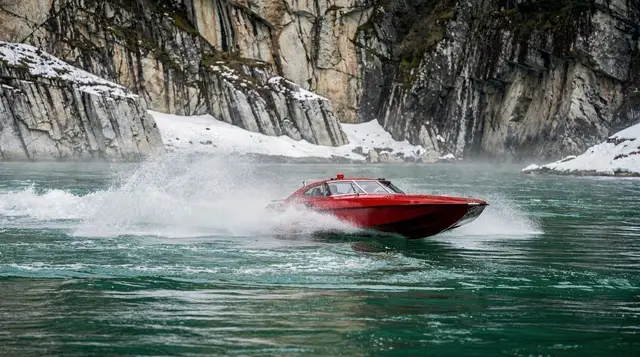
Both rivers sit in the same basin as the region’s jet-boat operations, and both are run by operators with decades of experience on this water. If you can only do one, the Shotover is the bigger day out and the one people talk about afterwards; the Kawarau is the trip to book with kids, nervous first-timers, or a group that isn’t all fit and keen. Our Shotover versus Kawarau comparison goes into more detail if you’re still deciding.
If the calmer river suits you better, book a gentle half-day rafting trip down the scenic Kawarau; if you want the bigger day out, go for a Shotover River rafting trip through the Oxenbridge Tunnel.
Rafting classes, explained honestly
The international scale runs from class I (flat water) to class VI (essentially unrunnable commercially). The Shotover is usually graded class III-IV and the Kawarau class II-III. Here’s what that actually means on the water:
| Class | What it feels like | Where you’ll meet it here |
|---|---|---|
| II | Moving water, small waves, easy to read | Lower sections of the Kawarau |
| III | Irregular waves, some manoeuvring required, moderate risk of falling out | Most of the Kawarau, calmer stretches of the Shotover |
| IV | Powerful, unpredictable, precise moves needed, higher risk | The Shotover’s main rapids and the Oxenbridge Tunnel approach |
The trap, and the reason this section exists, is that a class is a description of the river at a given flow, not a fixed property of the rapid. A Kawarau rapid sitting comfortably at class III on a dry week can push toward class IV after sustained rain, because the extra volume changes the wave shape and the speed of the current entirely. The same rapid, same GPS coordinates, different river. Operators reassess every morning, sometimes every run, and will hold a trip back, shorten it, or cancel it outright if the water has come up overnight. Don’t treat the number in a brochure as a guarantee; treat it as a description of a normal day.
What’s included, and what to bring
Every commercial trip on the Shotover or Kawarau supplies the technical gear: wetsuit, splash jacket, helmet, and river shoes or neoprene booties. You don’t need to own any of it, and you shouldn’t bring your own unless you know it’s suitable for cold glacial water. What you bring yourself:
- Togs (swimwear) or quick-dry layers to wear under the wetsuit
- A full change of clothes and a towel for after
- Closed-toe shoes for the change room if you have them, though most operators can sort you without
- Sunscreen for the drive and the put-in, even on a cloudy day
Leave watches, rings, phones and anything irreplaceable in the shuttle van. Photos are usually handled by the operator’s own river photographer rather than anything you carry, and are sold separately after the trip.
Age and weight minimums — and why they’re not fixed numbers
Most Shotover trips set a minimum age around 13, largely because of the tunnel section and the grade of water. The Kawarau, being the calmer river, is sometimes opened to children from around 8 years old, but only when the operator judges the day’s flow suitable — on a high-water day that minimum can be raised on the spot. Weight minimums sit around 40 kilograms on both rivers, because the standard-issue wetsuit, jacket and harness are built to seal and hold properly from that size upward; below it, the gear doesn’t fit safely no matter how it’s adjusted. There is usually no firm upper weight limit, but a larger frame should be flagged when booking so the right gear is set aside in advance rather than discovered at the riverbank.
None of these numbers are guaranteed across every operator or every day. Confirm the current minimum age and weight directly when you book, particularly if you’re travelling with children or booking close to the high-water season.
High-water season and cancellations
Flows on both rivers rise with snowmelt, typically from spring through early summer, roughly September to November, and after any significant rain at any time of year — this region’s weather turns quickly regardless of season. Higher water generally means a faster, pushier ride and a real chance that the day’s actual grade sits above what’s advertised. It isn’t automatically more dangerous with an experienced operator reading the river correctly, but it does change the experience, and it’s the main reason commercial trips get cancelled here.
If your trip is cancelled for high water, reputable operators rebook you for another day or refund the trip rather than running a river they’ve judged unsafe. Build a spare day into your itinerary if rafting matters to you, the same advice that applies to scenic flights and heli-hikes in this region — weather-dependent activities belong early in a trip, with slack afterward, not on the last available day. Check Queenstown’s weather by month before you lock in dates.
Safety, guiding, and what falling out actually involves
Commercial rafting on the Shotover and Kawarau operates under New Zealand’s adventure activity safety audit scheme, and every trip starts with a safety briefing and, on most trips, an in-water swim test so the guide can see how everyone handles the current before the real rapids start. Guides sit at the back of the raft and call the moves; paddling as a crew, on command, is what keeps the boat where it needs to be.
Falling out happens, more often on the Shotover than the Kawarau, and it’s part of what the safety briefing covers: float on your back, feet downstream, let the guide or a support kayaker bring you in rather than trying to swim hard against the current. The wetsuit and lifejacket keep you buoyant while that happens. This is a genuine risk activity rather than a controlled ride, and it sits alongside bungy jumping and the Nevis, Kawarau and Ledge bungy sites as one of the region’s real adventure sports, not a packaged thrill with the risk engineered out.
New Zealand’s ACC scheme covers the cost of treatment if you’re injured here, visitors included, but it doesn’t cover cancellation, lost income, or getting you home. Read our guide to travel insurance for adventure activities before you book — a standard policy frequently excludes white-water rafting above a certain class, or treats it as an add-on you have to select and pay for separately.
Getting to the river
Shotover trips leave from central Queenstown and drive out via Skippers Canyon, an unsealed, narrow road that most rental car contracts explicitly exclude — one more reason to book the trip rather than attempt the drive yourself. The operator’s own vehicle handles that road as part of the package. Kawarau trips run out through the Kawarau Gorge toward Gibbston, on sealed roads, with the put-in close to the Kawarau Bridge bungy site. Both trips are typically half-day, including transfers, briefing and gear-up, so budget three to four hours door to door even though the time on the water itself is closer to an hour.
Booking tips and pricing
Prices for a half-day Shotover or Kawarau trip generally sit in the NZD 150-230 range per person, with the Shotover usually priced above the Kawarau given the grade and the tunnel section. Photos and video packages are almost always sold separately, often NZD 30-60 more. Hot showers, changing rooms, and a hot drink or light snack afterward are commonly included; a full meal generally isn’t. See our tips on booking tours in Queenstown for how far ahead to book in summer versus shoulder season — the Shotover in particular sells out on clear, high-season days.
Combining rafting with a jet-boat trip on the same river system is a common pairing if you want more time on the water without adding another full day, since both run out of similar put-ins and cover overlapping stretches of gorge.
If white-water isn’t for you
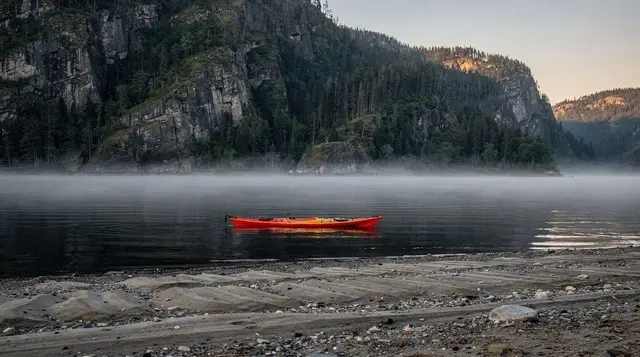
Rafting isn’t for everyone, and there’s no shame in choosing calmer water. A guided kayak outing on the flat waters of Lake Wanaka puts you on flat, glassy water with none of the grade-related uncertainty, a reasonable option if you want to be on the water without committing to rapids, or if you’re travelling with a child under the rafting weight minimum. Our guide to kayaking on Lake Wakatipu covers the calmer options closer to Queenstown itself.
If you’d rather stay on land altogether, a self-guided bike ride along the valley between Arrowtown and Queenstown follows the valley between the two towns at your own pace, a straightforward alternative for a day when the rivers are running too high to raft anyway. An adrenaline-focused three-day itinerary can help you slot rafting in alongside the region’s other big activities without overloading a single day.
Frequently asked questions about rafting near Queenstown
What’s the difference between rafting the Shotover and the Kawarau?
The Shotover River is class III-IV, narrower and more technical, with the Oxenbridge Tunnel as its signature feature and access via the unsealed Skippers Canyon road. The Kawarau River is class II-III, wider and higher-volume, with the Dog Leg as its best-known rapid. The Kawarau is the more forgiving trip and the one most operators recommend for first-time rafters or families with younger children.
Do rafting classes ever change?
Yes, and this is the detail most brochures skip. A rapid’s class is a description of how it behaves at a given flow, not a fixed label. After heavy rain, a Kawarau rapid graded class III can push into class IV territory, and the Shotover can rise and become significantly pushier within a day. Operators reassess conditions each morning and will cancel or reroute a trip if the river is running too high.
What’s the minimum age for white-water rafting near Queenstown?
Most operators set the Shotover River at around 13 years old because of its grade and the tunnel section. The Kawarau River is gentler and some operators take children from around 8 years old when water levels are moderate. These figures vary by operator and by the day’s conditions, so confirm the current minimum when you book rather than assuming.
Is there a weight limit for rafting?
Most operators set a minimum weight of around 40 kilograms, because the standard-issue wetsuit, splash jacket and harness are fitted for that size upward and don’t seal properly on a smaller frame. There’s usually no strict upper weight limit, but tell the operator in advance if you’re a larger build so they can fit you properly rather than sort it out at the riverbank.
What should I wear rafting in Queenstown?
Wear togs (swimwear) or quick-dry layers underneath, and bring a towel, a full change of clothes, and closed-toe shoes you don’t mind getting wet if you own a pair. The operator supplies the wetsuit, splash jacket, helmet, and river shoes or booties, which are included in the trip price. Leave watches, loose jewellery and anything you can’t afford to lose in the van, not in a pocket.
Is rafting safe, and what happens if I fall out?
Commercial rafting on the Shotover and Kawarau has operated safely for decades under New Zealand’s adventure activity safety audit scheme, and guides run a safety briefing and swim test before every trip. Falling out does happen, particularly on the Shotover; guides are trained to recover swimmers quickly, and the wetsuit and lifejacket keep you afloat while that happens. It’s a genuine risk activity, not a theme-park ride, and the briefing is worth listening to properly.
When is the high-water season, and is it more dangerous?
Flows are typically highest in spring, roughly September to November, when snowmelt feeds both rivers, and after any period of heavy rain at any time of year. Higher water generally means faster, pushier rapids and a real chance of the day’s grade sitting above the number quoted in a brochure. It isn’t automatically more dangerous with a competent operator, but it changes the experience, and operators will cancel outright if a river is unsafe to run.
Does travel insurance cover rafting?
Not always. Standard travel insurance policies frequently exclude white-water rafting above a certain class, or list it under an adventure sports add-on you have to opt into and pay extra for. New Zealand’s ACC scheme covers accident-related treatment costs for visitors, but it does not cover cancellation, lost income, or getting you home if you’re seriously injured, so check your policy’s wording for rafting specifically before you go.
Jet boat & rafting trips on GetYourGuide
Verified deep-linked GetYourGuide tours. Book through these links and we earn a small commission at no cost to you.
GetYourGuide does not provide a product photo for this activity — the image shows the meeting point, photographed by us.