Fly fishing the southern lakes: trout, rivers and the licence you need
Do you need a licence to fly fish around Queenstown?
Yes. A Fish & Game licence is compulsory for anyone fishing fresh water in New Zealand, visitors included, and rangers do check on the water. Most rivers in the region run a season from October to April; lakes and their licensing rules vary, so confirm before you cast.
Trout country, and the paperwork that comes with it
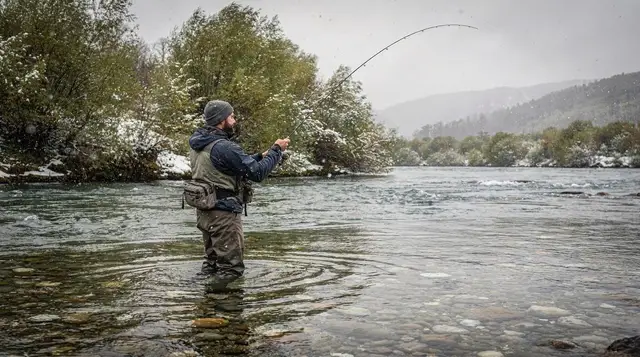
The rivers and lakes around Queenstown are some of the best trout fishing water in the world, and the region built a genuine reputation on it long before bungy jumping arrived. Brown trout and rainbow trout, both introduced from Europe and North America in the 19th century, have thrived here in water clear enough that sight fishing — spotting an individual fish and casting to it — is the normal way to fish, not a specialist technique. That clarity is also what makes the fishing hard: a badly placed line spooks a fish in Lake Wakatipu tributaries from ten metres away.
None of that is available for free. Every angler fishing fresh water in New Zealand, resident or visitor, needs a Fish & Game licence, and Central Otago sits inside the Otago Fish & Game region. This isn’t a formality nobody checks — rangers do patrol popular beats on the Kawarau and Shotover systems and around lake edges, and fishing without a licence gets an on-the-spot fine. Buy one before you’re on the water, not after a ranger asks.
Licences: what you actually need to buy
A Fish & Game licence is sold in a few forms, and which one makes sense depends on how much fishing you’re planning to do.
| Licence type | Best for | Where to buy |
|---|---|---|
| Whole season licence | Anglers staying weeks or fishing repeatedly | Fish & Game website, sports shops |
| 24-hour / short-term licence | A single guided day or a one-off session | Fish & Game website, guide operators, sports shops in Queenstown, Wanaka, Te Anau |
| Family licence | Groups fishing together on a season pass | Fish & Game website |
Most visitors on a guided trip only need a day licence, and many guides sell or include one as part of the booking — always confirm this when you book rather than assuming. Licences are region-specific in name but a whole-season licence covers all of New Zealand’s Fish & Game regions, useful if your trip also takes in rivers further afield. Carry proof of your licence on the water; a photo on your phone is generally accepted, but the physical or digital licence itself is what a ranger will ask to see.
The season: mostly October to April, but not everywhere
The general rule for Central Otago rivers is a season running from 1 October to 30 April, closed over winter to protect spawning trout. That’s the window to plan around if a river is the point of your trip. But it is a general rule, not a universal one: some stretches close earlier, some tributaries have separate rules, and a handful of waters run different arrangements entirely.
The lakes complicate this further — Lake Wakatipu, Lake Wanaka and Lake Te Anau don’t follow identical rules to the rivers that feed them, and fishing from a boat on open water is a different regulatory picture to wading a river mouth. Check the current Otago Fish & Game regulations for the specific water before you go, or let your guide handle it — a booked trip with a licensed operator has already sorted the legality, which is one less thing to get wrong on a short visit.
River fishing: technical, clear, unforgiving
This is sight fishing in the purest sense. Central Otago’s rivers run so clear that on a good day you can watch a brown trout hold in a pool from the bank before you’ve rigged a rod. That clarity cuts both ways — the fish can see you just as easily, and a clumsy approach, a shadow across the water, or a line landing too hard sends a spooked trout for cover in seconds. Local guides read water for a living: they know which undercut bank holds a resident brown, which riffle a rainbow will sit in, and which fly a fish that’s already refused three casts will finally take.
The rivers running off the Kawarau and Shotover systems, and the smaller spring creeks around Arrowtown and Gibbston Valley, are the classic Central Otago water — technical, low-volume, and best fished on foot with a guide who already knows which fish are holding where that week. Conditions change with rainfall and snowmelt the same way white-water rafting rivers do; a river that’s gin-clear on Monday can run high and coloured after rain, and a guide adjusts the plan rather than fishing a blown-out river anyway.
Lake fishing: a different, easier day
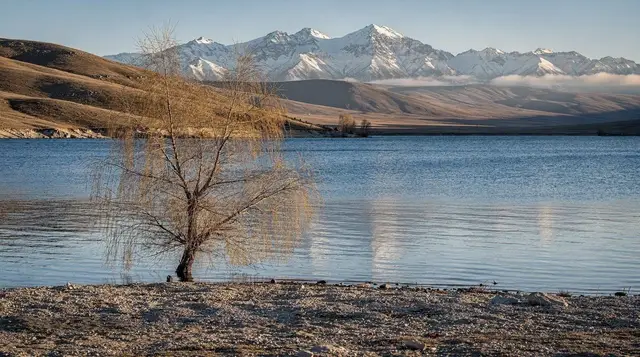
Boat fishing on Lake Wakatipu, Lake Wanaka or Lake Te Anau is a genuinely different style of day, and a good option if wading a cold river for six hours doesn’t appeal, or if the weather has turned a river trip marginal. From a boat, guides troll or cast to trout cruising drop-offs and structure, and it’s far less weather-dependent than river work — a breeze that would ruin river visibility barely matters on open water. It’s also more sociable: a boat holds a small group comfortably, where river fishing tends to be one or two anglers with a guide.
a six-hour guided fishing trip on Lake Wakatipu out of Queenstown covers the local option, fishing water within sight of town.
Further afield, a shorter three-hour fishing trip on Lake Wanaka suits a half-day if you’re already in Wanaka, while the full six-hour Lake Wanaka boat trip gives more time to work several spots if the fish are moving around. All three are boat-based and guided, which sidesteps the licence question entirely on the day — the operator sorts it as part of the booking.
Te Anau and Fiordland: fishing meets the wider landscape
Te Anau sits on New Zealand’s second-largest lake and is the gateway to Fiordland, and fishing trips out of there often combine casting time with the scenery that draws people to the region in the first place — mountains straight out of the water, native bush to the shoreline, and none of the crowds that build up around Milford Sound car parks in summer. a guided trip into Te Anau’s more remote lakes and mountain country is built around exactly that combination, reaching water most visitors never see rather than the accessible lake edge.
If a river read is what you’re after rather than a lake, ask a Te Anau-based guide about the smaller Fiordland tributaries directly — they see far less pressure than the Central Otago rivers closer to Queenstown, at the cost of a longer drive to reach them.
Booking a guide, and what to actually expect
A booked guide removes the two hardest parts of fly fishing somewhere new: knowing where the fish are, and knowing the rules. Most guiding operations supply rods, waders and flies as standard, though it’s worth confirming this at booking rather than assuming, particularly if you have your own gear preferences. What guides generally don’t supply is polarised sunglasses — bring your own, because in water this clear, spotting the fish before you cast is most of the skill, and ordinary sunglasses don’t cut the glare off the surface.
Dress for weather that turns quickly. Central Otago river valleys and Fiordland lake shores both offer very little shelter, and a sunny morning on the water can turn to wind and rain within an hour — the same instability that grounds scenic flights and heli-hikes elsewhere in the region affects a day on the river too, if less dramatically. A half-day trip runs three to four hours on the water; a full day runs six to eight. Prices vary by group size, boat versus wading, and whether it’s a shared or private guide, so treat any figure as a starting point and confirm the current rate when you book.
Before your first cast: a realistic morning
A guided day usually starts with a short conversation rather than a rod. Your guide will ask what experience you have, whether you want to wade or fish from a boat, and what you hope to take away from the day: a fish on the line, a lesson in technique, or simply a quiet few hours on beautiful water. Answer honestly. A guide who knows you have never cast a fly rod will spend the first part of the session on the basics, and that time is rarely wasted, because a clean cast is what turns a spooked fish into a feeding one.
Beginners often assume the hard part is the casting itself. In practice the hardest skills are patience and observation. You will spend a lot of time looking at the water, learning to pick a fish out of the glare and the stones, and waiting for the right moment to place the fly. Many visitors say the watching ends up being the most memorable part of the trip, and a blank day on the water is not a failed day when the surroundings are mountains and clear alpine rivers.
If you have fished before, tell your guide what you are comfortable with. Experienced anglers can ask to be pushed onto harder fish, and a good guide will happily adjust the plan rather than hand out the easiest option.
Choosing between a river day and a lake day
The honest way to choose is to start with how you handle uncertainty. A river day rewards skill, stealth and a willingness to walk, and it can be wonderful when conditions line up. It can also be cut short by rain, rising water or wind. A lake day is steadier and easier on the legs, which makes it the better pick for a mixed group, for anyone with limited mobility, or for a first-timer who wants a decent chance of contact with a fish.
Travelling with non-anglers changes the maths too. A boat day on the lake can sit comfortably alongside a lazier plan for everyone else, such as a cruise on the water (lake cruises on Wakatipu are covered separately) or a slow lunch in town. Mixed groups with a keen angler can split the day, with one person fishing in the morning and the whole party meeting up afterwards.
If your dates are flexible, book the fishing early in your stay and keep a spare day free. Because river conditions follow rain rather than the calendar, a rescheduled trip is far easier to arrange when you have not already filled every day. Pairing it with other outdoor plans such as a day trip from Queenstown or a day on the Queenstown trails keeps the rest of the itinerary lively without crowding the fishing.
Respecting the water
Good angling etiquette is simple and worth knowing before you arrive. Give other anglers plenty of room, and never wade into water a fisher is already working. Take all rubbish and line with you, since discarded line is dangerous to birdlife. Step carefully near spawning areas and shallow gravel beds, and keep to existing tracks rather than trampling riverbank vegetation. If you have been fishing or boating in other New Zealand waterways, clean and dry your gear first, as the country takes the spread of freshwater pests seriously; the biosecurity explainer shows how seriously.
Sandflies near the water can be relentless on still, warm days, and insect repellent is a worthwhile addition to your kit. Our survival guide to sandflies has practical advice for dealing with them, particularly around lake margins and river mouths.
Catch and release, and the limits that apply
Bag limits and size restrictions on trout are set by Otago Fish & Game and do change, so don’t assume a number you’ve read applies to the water you’re fishing today. In practice, most licensed anglers here — locals and guided visitors alike — release what they catch, partly out of conservation habit and partly because trout from these rivers rarely go to the table the way a coastal catch might. If you do want to keep a fish, ask your guide about current limits for that specific water rather than guessing, and never assume a limit from another New Zealand region carries over here.
Fitting fishing into a wider trip
Fly fishing doesn’t have to be the whole day. A half-day lake trip out of Queenstown fits neatly alongside a morning on the Skyline gondola or an afternoon in Arrowtown, and a Te Anau-based river or lake session pairs naturally with a Milford Sound day trip the following day, since you’re already down that way.
If fishing is the main reason for the visit rather than an add-on, building two or three days around it — one river day, one lake day, a rest day for the weather to cooperate — is a more realistic plan than trying to fit everything into a single outing. See how many days in Queenstown is worth for a fuller sense of pacing, and check the weather month by month before locking in dates, since river conditions follow rainfall far more closely than the calendar does.
For getting between fishing spots independently rather than relying on a guide’s transport, a rental car gives the flexibility to chase good water on short notice — useful given how much a single day’s rain can change a river’s fishability. Whatever you plan, sort the licence first: it’s the one part of a fishing trip here that isn’t optional, isn’t negotiable with a ranger, and takes ten minutes online to fix before you ever wet a line.
Fishing trips on GetYourGuide
Verified deep-linked GetYourGuide tours. Book through these links and we earn a small commission at no cost to you.
GetYourGuide does not provide a product photo for this activity — the image shows the meeting point, photographed by us.