Why Fox is the quieter choice
Fox Glacier, Te Moeka o Tuawe, runs 13 kilometres down from the Southern Alps into temperate rainforest, 25 kilometres south of its better-known neighbour at Franz Josef. The two get compared constantly, and the honest version of that comparison is that Fox’s village is smaller — a scatter of motels, a pub, a couple of cafés, and not much else — while Franz Josef township has more beds, more restaurants and more tour desks. If you want to be somewhere with options after dark, Franz Josef wins that argument easily. If you’d rather not queue for a table, Fox usually feels calmer.
Both glaciers sit inside the same stretch of Westland Tai Poutini National Park, both descend unusually close to sea level for their latitude, and both changed fundamentally in 2012, when access on foot was closed for safety reasons as the ice retreated and the terminal faces became too unstable to guide walkers across. That single fact reshapes almost everything else on this page, so it’s worth understanding before you book anything.
Getting there — and the road that keeps closing
From Queenstown, Fox Glacier is about 350 kilometres, roughly 5h30 of driving without stops, via Wanaka and the Haast Pass. It’s a full day on the road in either direction, so most visitors build it into a longer West Coast loop rather than a return day trip — see our 4-day itinerary to the West Coast glaciers for how that fits together, or the Queenstown to Franz Josef route guide for the drive itself.
The piece that catches people out is the last stretch: the access road down into the Fox Glacier valley itself has been closed by landslides and flood damage on several separate occasions in recent years, sometimes for weeks. This isn’t a rare event confined to one bad winter — it’s a recurring feature of a road cut through unstable, rain-soaked terrain. Before you drive down, check the Department of Conservation’s current alerts for the Fox Glacier valley road, not the reviews on a booking site. A closed road doesn’t just mean a longer walk; it can mean no vehicle access to the valley car park at all, which cancels the ground-based part of any visit regardless of what a tour operator’s website still shows as available.
The valley walk, since nobody sets foot on the ice
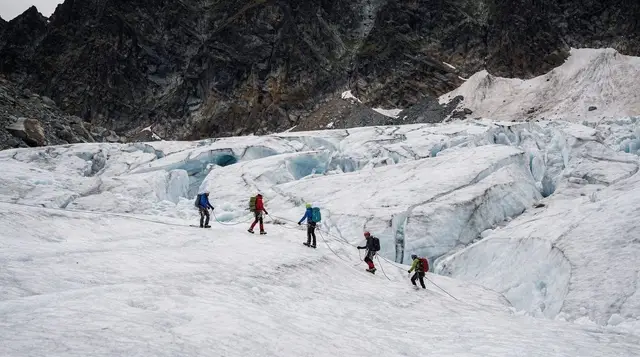
Because glacier travel on foot has been closed since 2012, what remains at ground level is the valley walk: a track from the car park across the valley floor to a formal viewing point, with the ice visible ahead but well out of reach. It’s an easy, mostly flat walk, usually well under an hour return, and it costs nothing beyond the drive in. It’s worth doing even if you’ve booked a helicopter flight, because it gives scale to what you’ll see from the air — a river of grey, crevassed ice hemmed in by bare rock walls that were under the glacier within living memory.
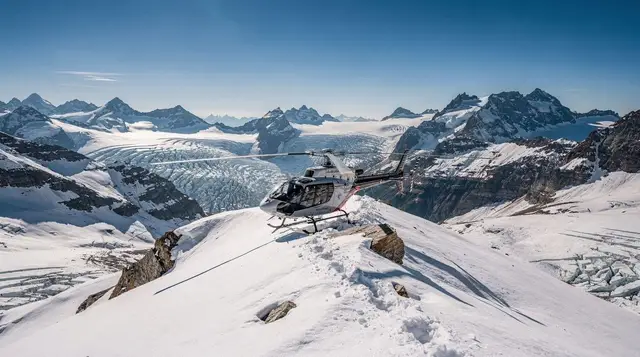
The only way onto the ice itself now is by helicopter, generally landing on the upper névé above the crevasse field, sometimes paired with a short guided walk in crampons once you’re up there. Operators run this from both Fox and Franz Josef, and flight paths often take in both glaciers plus, weather permitting, Aoraki/Mount Cook further south — see our glacier heli-hike guide for what these trips actually involve and how they’re priced.
a four-hour Fox Glacier helicopter and guided ice walk is the fullest version of this: flight in, time on the ice with a guide, flight out. For a shorter, cheaper introduction, a scenic flight with a snow landing gets you onto the glacier without the guided walk component — this Fox Glacier scenic flight with a snow landing runs considerably shorter and costs less.
Lake Matheson and the reflection everyone chases
Lake Matheson sits about 6 kilometres from Fox Glacier village, a five-minute drive, and it’s one of the most photographed lakes in the country for one specific reason: on a still morning, it throws a near-perfect reflection of Aoraki/Mount Cook and Mount Tasman across its dark, tannin-stained water. The word “still” is doing a lot of work in that sentence — any wind at all breaks the reflection, which is why the lake’s own viewing platforms are busiest at dawn, when the air is most likely to be calm.
The full loop track around the lake takes about an hour and a half at an easy pace; the walk to the Reflection Island viewpoint and back is shorter, closer to 40 minutes. Either way, arrive early — both for the light and because the car park fills quickly once the day-trip buses from Franz Josef start arriving. If your schedule allows a helicopter option that pairs the two, this half-day nature tour to Lake Matheson covers the walk with commentary for those who’d rather not navigate it solo.
Fox versus Franz Josef: an honest comparison
Neither glacier is the clear winner. The table below is what actually differs, not marketing language.
| Fox Glacier | Franz Josef | |
|---|---|---|
| Glacier length | 13 km | Longer descent, similar retreat pattern |
| Village size | Small — a handful of motels and cafés | Larger, more restaurants and tour operators |
| Ground access | Valley walk to viewpoint; road prone to landslide closure | Valley walk to viewpoint; generally more reliable road |
| Nearby reflection lake | Lake Matheson, 6 km | Lake Mapourika, similar distance |
| Helicopter operators | Fewer, often combined flights with Franz | More operators, more flight options |
| Atmosphere | Quiet, low-key | Busier, more amenities after dark |
If you’re only doing one, Franz Josef’s larger village and more reliable access road make it the lower-friction choice. Fox rewards travellers who don’t mind fewer facilities in exchange for a quieter base — and the two are close enough together that plenty of visitors see both glaciers from a single accommodation stop on either side. Our Franz Josef versus Fox Glacier comparison guide goes into more detail on which to pick if you genuinely have to choose.
Costs and helicopter options
Ground-level visits — the valley walk and Lake Matheson — cost nothing beyond fuel and parking. Helicopter flights are where the real spending happens, and prices vary with flight time, whether you land, and whether a guided ice walk is included.
| Experience | Typical price range (NZD, per person) | Duration |
|---|---|---|
| Scenic flight with snow landing | 300–450 | 20–30 minutes flying |
| Guided ice walk with helicopter access | 500–650 | 3–4 hours total |
| Combined Fox and Aoraki/Mount Cook flight | 550–750 | 40–60 minutes flying |
a combined Fox Glacier and Mount Cook helicopter flight is the option worth considering if you want both landscapes in one trip and don’t want to drive the extra distance south to Aoraki/Mount Cook separately, or you’re weighing it against a scenic flight over the Tasman Glacier from the Mount Cook side instead.
None of these flights are guaranteed. West Coast weather closes helicopter operations often — cloud on the alpine faces, rain at the base, wind at altitude — and cancellation rates here run higher than in drier parts of the South Island. Book earlier in your West Coast stay rather than on your last available day, and check an operator’s rebooking or refund policy before you pay. Our general helicopter tours guide covers what to ask before booking any scenic flight.
Sequencing your time so weather doesn’t win
The most useful habit on this coast is to treat the weather as the fixed point and everything else as movable. Flights are the most weather-sensitive part of a visit, so they go first on the list: if you arrive with two nights, put the helicopter on the first morning that looks workable rather than saving it as a finale. That leaves the second day as a buffer, and a cancelled flight becomes a rebooking rather than a missed highlight. The ground-level pieces — the valley walk and Lake Matheson — are far more forgiving and can slot into whatever gaps the cloud leaves you.
Lake Matheson is the exception to the “flexible” rule, because the reflection depends on calm air at the start of the day. If the evening forecast looks still, set the alarm and go before breakfast; if it looks windy, don’t waste the early start and move the lake to another morning. The pairing works well with a flight later in the day, since a clear dawn often means the mountains are also visible from the air.
If you’re building this stop into a longer loop, it helps to read it against the neighbouring stops. Franz Josef Glacier is the obvious companion, Wanaka is the usual overnight on the way in, and the Queenstown to Franz Josef guide covers the driving side. For a sense of how the glacier landing itself works before you pay for it, the alpine and glacier landings explained guide is worth a few minutes, and the travel insurance for adventure activities page is relevant to any flight or jump you book.
What to bring and how to dress
Layers matter more than any single piece of kit. The valley can be damp and cool even when the day looks promising, and a helicopter landing on the névé puts you somewhere noticeably colder than the car park. Waterproof outer layers, warm mid-layers, sturdy shoes and sunglasses all earn their place, and a small daypack keeps your hands free for photos. Repellent goes in the same bag, for the reasons above. Our sandflies survival blog post is a light but practical read if you’ve never dealt with them before.
Finally, carry what you need for the day, because the village is small and options between stops are limited. Food, water and a charged phone are sensible, and so is a printed or offline copy of your booking details. If the weather turns and you’d rather spend the day differently, the booking tours in Queenstown tips guide explains how to check cancellation terms before you commit, and our Queenstown to West Coast glaciers itinerary shows how other travellers have paced the trip.
Weather, rainforest, and the sandfly problem
The West Coast is wet by design — the same rain that keeps the surrounding forest a lush, dripping temperate rainforest also grounds a lot of flights and can flood the valley access road. There’s no single rainfall figure worth quoting for this stretch of coast; expect grey, changeable weather even in summer, and treat a clear morning as a bonus rather than an entitlement. Our piece on what the brochure doesn’t say about glaciers is a fair account of how often the postcard version doesn’t match the day you actually get.
Sandflies — te namu — are a genuine nuisance rather than a minor irritation. They’re worst around dawn, dusk, and anywhere near still water, which describes both the glacier car park and Lake Matheson. Bring repellent and cover bare skin; locals don’t bother pretending it’s optional.
Where the village actually sits
Fox Glacier township is little more than a crossroads: a scatter of motels and lodges, a general store, a pub, a couple of cafés, and the road down to the glacier valley on one side, the turn to Lake Matheson on the other. There’s no supermarket to speak of and limited fuel options, so fill up in Haast or plan to top up again before Franz Josef. Accommodation books out in peak summer months given how few beds the village actually has, so reserve ahead rather than assuming you’ll find a room on arrival.
For activities beyond the glacier and the lake, the Fox Glacier things-to-do listings and the broader glaciers category cover kayaking, short forest walks and other operators working out of the village. If you’re weighing this stop against the rest of a South Island loop, our best day trips from Queenstown guide puts it in context against Milford Sound, Aoraki/Mount Cook and the other long-haul options, and the best-time tool helps line up your visit with the months that give the best flying odds.
For thrill-seekers wanting more altitude time on this side of the Alps, skydiving over Franz Josef pairs the same glacial scenery with a jump rather than a landing, launching from the airfield a short drive north.
Fox Glacier frequently asked questions
Can you still walk onto Fox Glacier?
No. Since 2012 the ice has retreated and become too unstable for guided walking access. The only way onto the glacier itself is by helicopter, usually with a snow landing or a short guided walk on the upper névé.
How far is Fox Glacier from Queenstown?
About 350 kilometres by road, roughly 5h30 via Wanaka and the Haast Pass, without stops. Add time for the Blue Pools, Thunder Creek Falls and fuel — there’s little between Haast township and Fox.
Is Fox Glacier better than Franz Josef?
Neither is objectively better. Fox has a smaller, quieter village and arguably a more dramatic valley approach; Franz Josef has more accommodation, food and tour operators. Both glaciers are helicopter-access only, and both are frequently weathered out.
Is the road into the Fox Glacier valley open?
Not always. The access road has been closed by landslides and flood damage more than once in recent years, sometimes for extended periods. Check the Department of Conservation’s West Coast alerts before you drive down, not after you arrive.
How much does a Fox Glacier helicopter flight cost?
Budget roughly NZD 300–450 per person for a scenic flight with a snow landing, and upwards of NZD 500–600 for flights that add a guided glacier walk or link to Aoraki/Mount Cook. Prices shift with flight time and route.
How far is Lake Matheson from Fox Glacier?
About 6 kilometres, a five-minute drive. The famous reflection of Aoraki/Mount Cook needs still air, which usually means arriving at or before sunrise.
Are there sandflies at Fox Glacier?
Yes, and they’re persistent. The West Coast’s temperate rainforest is prime sandfly habitat — pack repellent and cover up, especially around Lake Matheson and the glacier car park at dawn and dusk.