What the brochure doesn't say about Franz Josef and Fox
The photo that made me book the trip
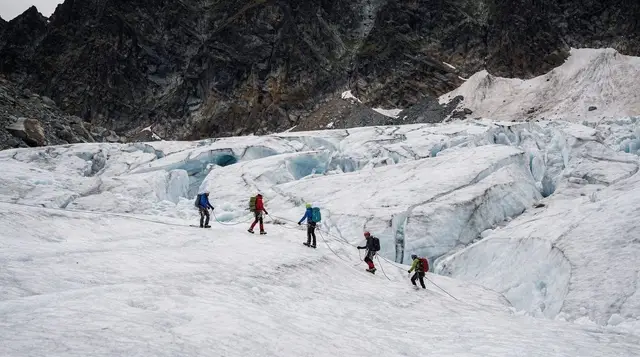
I’d seen the same photo everywhere before I went: a line of people in crampons, walking straight up a wall of blue-white ice, glacier stretching out behind them. It’s on brochure racks in Queenstown, it’s the header image on half the tour sites, and it’s roughly fifteen years out of date. Nobody tells you that on the way in. I found out standing in the car park at Franz Josef Glacier, looking at a sign that explained, politely, that the track I’d driven three and a half hours to walk no longer goes anywhere near the ice.
What actually happened in 2012
Both Franz Josef and Fox Glacier used to have marked routes onto the ice itself, maintained with ladders and ropes that were rebuilt every season as the glacier shifted. That stopped being workable. The ice retreated faster than the tracks could keep pace with, the terminal faces got steeper and more prone to sudden icefall, and the valley walls above them started shedding rock onto the old access routes.
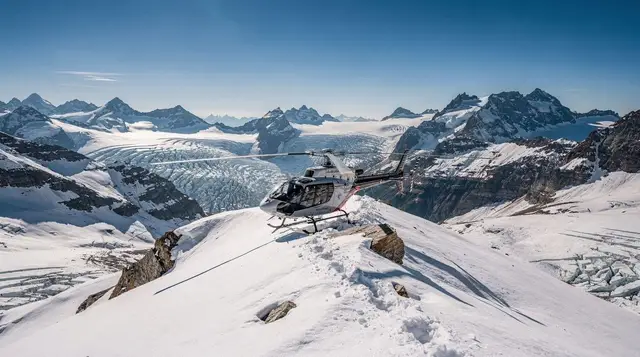
In 2012, the Department of Conservation and the guiding operators closed unguided ground access for good. If you want to stand on the ice now, the only legal, insured way is a guided heli-hike: a helicopter lifts you above the crevassed lower section and lands on stable ice higher up the glacier. There’s a good breakdown of what that actually involves, and what it costs, at our glacier heli-hike guide.
I knew this before I drove down from Queenstown. I’d read it. It still didn’t land properly until I was standing at the viewpoint looking at how far away the ice actually was.
The one-in-three chance
Here’s the part the brochures really don’t lead with: even once you’ve booked the helicopter, you might not fly. West coast weather comes straight off the Tasman Sea with nothing to slow it down, and cloud sitting on the peaks is enough to ground a flight even when it’s dry and pleasant in the village. Operators I spoke to put cancellation rates at roughly one flight in three. I got lucky at Franz Josef and flew on my second morning.
A couple I met in the queue at Fergburger a week later had tried three times at Fox Glacier over four days and never got up. If a glacier landing is the actual point of your trip, build in a spare day or two rather than a single booking, and read our notes on alpine and glacier landings before you commit to a date.
Comparing scenic flight options before you go is worth the twenty minutes it takes. For the fiordland side of things rather than the west coast, our page on the scenic flight over Milford Sound and the Southern Alps’ big glaciers is a useful reference point for how these flights are priced and structured, even though it’s a different part of the country.
What the retreat looks like from the ground
Standing at the public viewpoint, the thing that struck me wasn’t the ice itself — it was the bare rock and gravel between the viewpoint and the current terminal face. That whole stretch was under ice within living memory; older photos in the Department of Conservation display show the glacier reaching almost to where the car park now sits.
Franz Josef has lost well over a kilometre of length since the early 1900s, with the retreat accelerating noticeably since the 2000s. There are short readvances some years, when a heavy snow season pushes the ice forward again, but the trend over any longer stretch is retreat. It’s the kind of thing you understand intellectually from a documentary and then feel differently about once you’ve walked the distance yourself.
Nearby, Lake Matheson does something the glacier walk can’t: on a still morning it gives you the reflection shot of Aoraki and the main divide that doesn’t depend on ice access or helicopter weather at all. If your trip has to work rain, hands, or cloud, put Matheson ahead of the glacier walk rather than after it.
What’s still worth it
None of this means skip the west coast. The valley itself — temperate rainforest running right up to the base of an alpine glacier, which is a genuinely unusual combination worldwide — is worth the drive on its own, even if you never see the ice up close. The short track from the car park to the current viewpoint is easy, free, and gives you a real sense of scale even from a distance. And if you do get the helicopter window, landing on ice that’s actively moving, with crevasses you can see into and seracs the size of houses, is not diminished by the fact that you flew in rather than walked. It’s just a different, more honest version of the experience the old brochure photos promised.
If a helicopter flight isn’t in the budget or the weather doesn’t cooperate, the drive down from Queenstown via Wanaka and the Haast Pass is worthwhile scenery in its own right, and it pairs naturally with the Hooker Valley Track near Aoraki or a stop at Tasman Glacier if you’d rather stay closer to Queenstown and see ice without the west coast detour.
For travellers wanting a lower-key alternative to a flight-dependent day, a ground-based option like a private day tour into Milford Sound and the Fiordland glaciated valleys at least isn’t cancelled by cloud on a single peak the way a glacier landing can be. And if the whole trip is built around adrenaline rather than ice, worth knowing that operations like canyoning in the Routeburn Valley run on a different weather threshold again — check conditions for whichever activity you’re set on separately, don’t assume one cancellation means another.
If you’re going anyway (practical bits)
Book your flight for the earliest morning slot you can get; west coast cloud tends to build through the day. Give yourself a buffer day rather than a single date, especially outside the settled months of late summer and early autumn. Check what your travel insurance actually covers here — a cancelled helicopter due to weather is usually just a refund or rebooking, not a claim, but it’s worth confirming before you fly. Our travel insurance for adventure activities guide covers what’s typically excluded. And read Franz Josef vs Fox Glacier before choosing a base — the two villages are similar in what they offer, but not identical.
From Queenstown, plan on the whole day for the drive alone: about 350 kilometres and 5.5 hours each way through Wanaka and the Haast Pass, which is why most people either fly straight from Queenstown or fold the glaciers into a longer west coast loop rather than a single long day trip — see our Queenstown to Franz Josef notes and the four-day west coast glaciers itinerary for how that fits together.
Check seasonal weather patterns before you lock in dates — the west coast runs wetter and cloudier than Queenstown most of the year, and that has more bearing on your glacier flight than anything else in this piece.
Franz Josef and Fox Glacier questions
Can you still walk on Franz Josef or Fox Glacier?
Not on your own, and not from the valley floor. Since 2012 the terminal faces have retreated and steepened enough that ground access is closed. The only way onto the ice is a guided heli-hike that lands you higher up the glacier.
Why did access change in 2012?
The ice retreated faster than the access tracks and ladders could be maintained safely, and rockfall from the valley walls increased. Rather than manage a shrinking, unstable route, the operators and the Department of Conservation moved all ice access to helicopter landings.
How often are glacier helicopter flights cancelled?
West coast weather off the Tasman Sea is genuinely unreliable, and operators quote cancellation rates of around one flight in three. Cloud on the peaks, not rain in the valley, is usually the reason, so a fine morning at Franz Josef township is no guarantee.
Is Franz Josef or Fox Glacier better to visit?
Franz Josef has more accommodation and a slightly larger village; Fox Glacier is quieter and its viewpoint walk to the terminal area is a little longer. Neither glacier is walkable, so the choice mostly comes down to where you’d rather stay.
What can you do at the glaciers without flying?
Both have short, well-formed walking tracks to a viewpoint near (not onto) the terminal face, plus the Lake Matheson walk near Fox for the classic reflection photo on a still morning. These don’t depend on a helicopter and aren’t affected by the flight cancellation rate.
How far are the glaciers from Queenstown?
About 350 kilometres and 5.5 hours’ drive, via Wanaka and the Haast Pass. It’s a long day trip by road, which is why most visitors either fly directly or build the glaciers into a multi-day west coast loop.
Do the glaciers keep retreating every year?
Yes. Franz Josef and Fox have both lost significant length since the early 2000s, with occasional short readvances that reverse within a year or two. The overall trend documented by NIWA and DOC monitoring is retreat, not stability.
Glacier heli-hikes & flights on GetYourGuide
Verified deep-linked GetYourGuide tours. Book through these links and we earn a small commission at no cost to you.
GetYourGuide does not provide a product photo for this activity — the image shows the meeting point, photographed by us.